
japanese scar cream
By Emily Wong
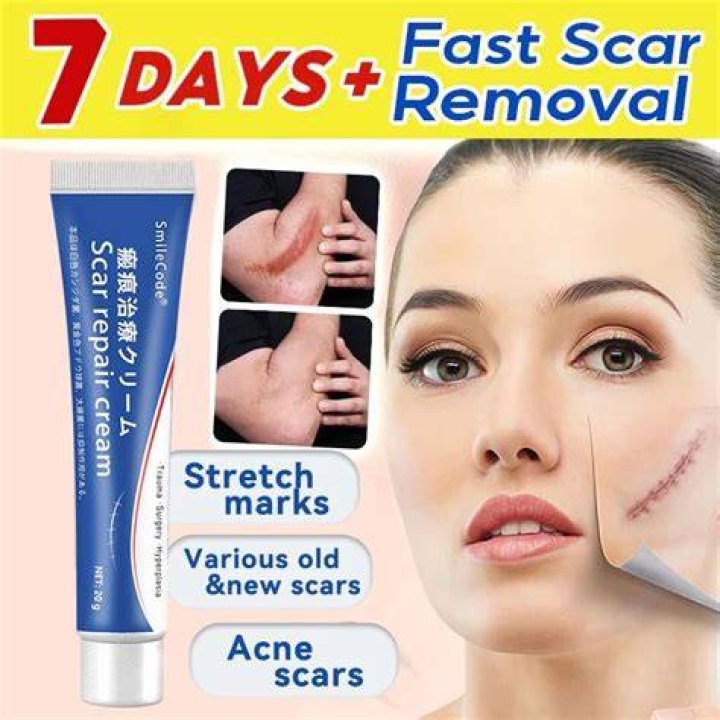
Japanese Scar Cream: Benefits, Ingredients, and How to Choose the Right One
Scars can form for many reasons, including acne, burns, cuts, surgery, and skin irritation. Many people look for targeted skincare products to help improve the appearance of scars over time. Among the options available, japanese scar cream has become a popular search topic because Japanese skincare is often associated with gentle formulas, advanced ingredients, and consistent daily care.
In this article, we will explain what Japanese scar creams are, how they work, what ingredients to look for, and how to choose the best option for your skin.
What Is Japanese Scar Cream?
Japanese scar cream refers to scar care products made in Japan or inspired by Japanese skincare principles. These products are often designed to support the skin’s natural recovery process, improve texture, and help reduce the visible appearance of scars.
Japanese skincare products are known for focusing on:
- Lightweight textures
- Skin barrier support
- Hydration
- Gentle application
- Long-term skincare routines
Scar creams from Japan may be used for:
- Acne scars
- Surgical scars
- Burn marks
- Minor cuts and scratches
- Post-inflammatory marks
It is important to understand that no cream can completely erase every scar, but the right product may help soften, smooth, and visibly improve scar tissue with regular use.
Why Japanese Scar Cream Is Popular
The popularity of japanese scar cream comes from the reputation of Japanese beauty and skincare products. Many consumers appreciate products that combine traditional skin-soothing ingredients with modern cosmetic science.
Some reasons these creams are in demand include:
1. Gentle Formulas
Japanese skincare often avoids overly harsh ingredients. This can be helpful for scar-prone or sensitive skin.
2. Strong Focus on Hydration
Moisturized skin often appears smoother and healthier. Proper hydration can also support the skin barrier while a scar matures.
3. Cosmetic Elegance
Many Japanese creams are known for their comfortable feel, fast absorption, and easy layering with other skincare products.
4. Preventive Skincare Culture
Japanese skincare routines often focus on consistent daily maintenance. This approach fits well with scar care, which usually requires patience and regular application.
How Scar Cream Works
A japanese scar cream typically works by improving the environment around the scar. The formula may:
- Hydrate the skin
- Support the skin barrier
- Soften rough texture
- Improve the appearance of discoloration
- Help the skin look more even over time
Some scar products are designed mainly for moisture and texture, while others may contain active ingredients aimed at brightening marks or supporting skin renewal.
Results depend on several factors:
- The age of the scar
- The type of scar
- Your skin type
- How consistently you use the product
- Whether the product is suitable for your skin
Common Ingredients in Japanese Scar Cream
When shopping for japanese scar cream, it helps to understand the ingredients commonly used in these formulations.
Silicone
Silicone is one of the best-known ingredients in scar care. It forms a breathable protective layer over the skin and is often used to improve the appearance of raised scars.
Centella Asiatica
This botanical ingredient is popular in many Asian skincare products. It is often used for its soothing properties and may support the skin recovery process.
Hyaluronic Acid
Hyaluronic acid attracts moisture and helps keep skin hydrated. Hydrated skin can appear smoother and more supple.
Ceramides
Ceramides support the skin barrier, which is important for maintaining healthy-looking skin and minimizing irritation.
Vitamin C
Vitamin C is commonly used to brighten uneven skin tone and support a more radiant appearance. It may be especially useful for post-acne marks.
Tranexamic Acid
Some Japanese skincare formulas feature tranexamic acid to target the appearance of discoloration and uneven tone.
Allantoin
Allantoin is often included for its skin-softening and soothing effects.
Collagen and Moisturizing Agents
These ingredients may help improve the skin’s feel and support overall hydration.
Types of Scars a Japanese Scar Cream May Help With
Not every scar responds in the same way, so understanding your scar type can help you choose a better product.
Acne Scars
Post-acne marks and textural concerns are common reasons people search for japanese scar cream. Products with soothing and brightening ingredients may help improve the skin’s appearance.
Surgical Scars
After the wound has fully closed and healed, scar creams are often used to keep the area moisturized and soft. Silicone-based products are often discussed for this type of scar.
Burn Scars
Mild burn scars may benefit from barrier-supporting care, though severe burns require medical supervision.
Dark Marks and Post-Inflammatory Hyperpigmentation
Some marks are not true scars but areas of pigmentation left after inflammation. Brightening ingredients may help improve these spots over time.
How to Choose the Best Japanese Scar Cream
With many products on the market, choosing the right japanese scar cream depends on your needs.
Consider Your Scar Type
A raised surgical scar may benefit from a different formula than a flat acne mark.
Check the Ingredient List
Look for ingredients that match your goal:
- Silicone for raised scars
- Vitamin C or tranexamic acid for discoloration
- Ceramides and hyaluronic acid for barrier support
- Centella asiatica for soothing care
Think About Your Skin Type
If you have oily or acne-prone skin, lightweight creams or gels may feel more comfortable. Dry or sensitive skin may prefer richer formulas.
Choose Fragrance-Free if Sensitive
If your skin becomes irritated easily, fragrance-free and alcohol-light formulas may be a safer choice.
Buy From Reputable Sellers
If you are purchasing imported skincare, make sure the retailer is trustworthy and the product is authentic.
How to Use Japanese Scar Cream
For best results, consistency matters. Here are some general tips for applying japanese scar cream:
1. Cleanse the area gently.
2. Make sure the skin is fully healed before applying any scar product.
3. Apply a thin layer as directed on the packaging.
4. Use consistently, often once or twice daily.
5. Protect the area with sunscreen during the day.
Sun protection is especially important because UV exposure can make scars and dark marks appear more noticeable.
Japanese Scar Cream and Sunscreen
If you are serious about scar care, sunscreen should be part of your routine. Even the best japanese scar cream may have limited visible effect if the area is exposed to daily sun without protection.
Look for:
- Broad-spectrum SPF
- Lightweight texture
- Non-irritating formula
- Daily reapplication when exposed to sunlight
Japanese sunscreens are also popular because many offer comfortable wear and elegant textures that suit daily use.
What to Expect From Results
Scar improvement takes time. Some people expect instant changes, but most scar care products need weeks or months of regular use.
You may notice:
- Better hydration
- Softer texture
- Reduced roughness
- More even-looking tone
- A less noticeable scar over time
However, deeper or older scars may require professional treatments such as laser procedures, microneedling, or dermatologist-guided care.
When to See a Professional
While a japanese scar cream can be a useful part of your skincare routine, there are times when professional advice is important.
Consult a dermatologist if:
- The scar is painful, raised, or growing
- You have a recent surgical scar and need guidance
- The area is still open or irritated
- You suspect an allergic reaction
- You want treatment for deeper scarring
A professional can help determine whether topical care is enough or if another treatment would be more effective.
Final Thoughts
Japanese scar cream is a popular option for people looking to improve the appearance of scars with gentle, skincare-focused formulas. These products often emphasize hydration, soothing care, and long-term skin support, which can be valuable for both new and older marks.
When choosing a product, focus on your scar type, skin sensitivity, and ingredient preferences. Silicone, centella asiatica, ceramides, hyaluronic acid, and brightening agents are among the most common features to look for. Most importantly, be patient and consistent, because scar care usually takes time.
If you want better results, combine your scar cream routine with sun protection and realistic expectations. With the right approach, a japanese scar cream may help your skin look smoother, calmer, and more even over time.